
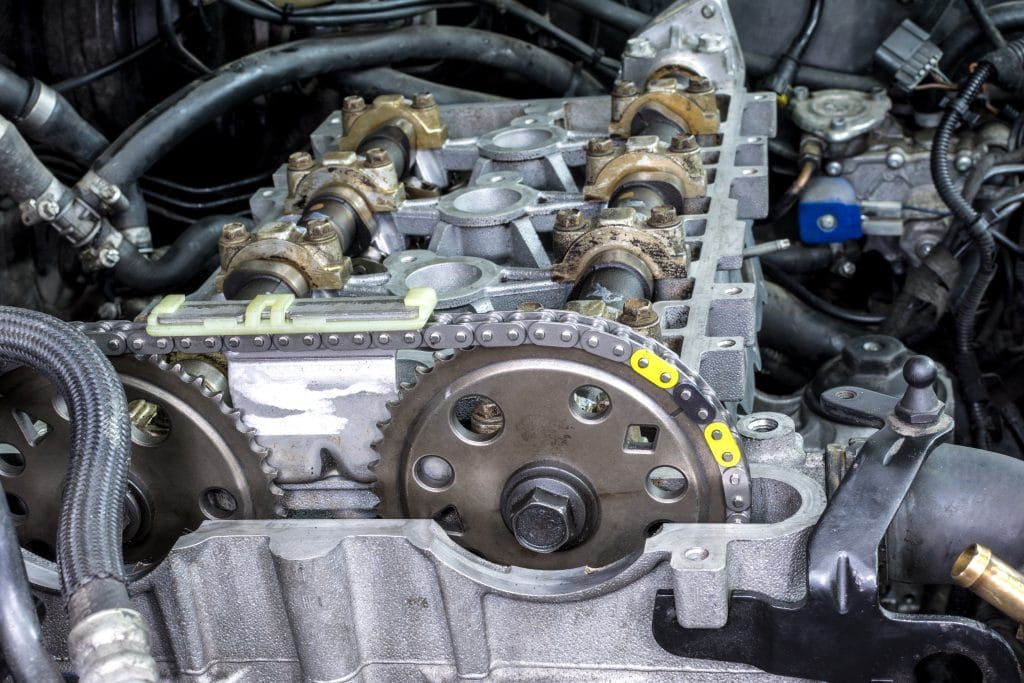
If your vehicle’s temperature gauge begins to rise while you are driving, it can quickly become a serious concern. Many drivers ask why their car overheats while driving, especially when the engine temperature climbs unexpectedly during normal trips. Engine overheating is usually a sign that the cooling system is not working properly.
Your vehicle’s cooling system regulates engine temperature by circulating coolant through the engine and radiator. This process removes excess heat generated during combustion and keeps the engine operating within a safe temperature range. If any part of this system fails, the engine may begin to overheat.
Understanding the common causes of overheating can help drivers recognize warning signs early and prevent major engine damage.
How the Engine Cooling System Works
Your engine produces a large amount of heat while running. The cooling system helps control this heat by circulating coolant through the engine block and cylinder head.
The coolant absorbs heat and then flows through the radiator, where the heat is released into the surrounding air. Several components work together to regulate engine temperature:
• Radiator
• Water pump
• Thermostat
• Cooling fans
• Radiator hoses
• Coolant reservoir
When these parts function properly, the engine remains within its normal operating temperature.
Common Reasons Your Car Overheats While Driving
Low Coolant Levels
One of the most common causes of overheating is low coolant levels. Coolant absorbs heat from the engine and helps regulate temperature.
If coolant levels drop due to a leak or lack of maintenance, the cooling system may not be able to remove enough heat from the engine.
Drivers may notice the temperature gauge rising or steam coming from under the hood.
Faulty Thermostat
The thermostat controls the flow of coolant between the engine and the radiator. When the engine reaches a certain temperature, the thermostat opens to allow coolant to circulate.
If the thermostat becomes stuck closed, coolant cannot flow properly. This can cause the engine temperature to rise quickly while driving.
A malfunctioning thermostat often leads to rapid overheating.
Water Pump Failure
The water pump is responsible for circulating coolant throughout the engine and radiator. If the pump fails, coolant cannot move through the cooling system effectively.
Without proper circulation, heat builds up inside the engine and causes overheating.
Water pump problems may also produce coolant leaks or unusual noises.
Radiator Blockage
The radiator releases heat from the coolant as air flows through it. Over time, dirt, debris, or internal corrosion may block the radiator and reduce its ability to release heat.
When the radiator becomes clogged, the cooling system cannot remove heat efficiently.
This may cause the engine to overheat, especially during long drives.
Cooling Fan Malfunction
Cooling fans help move air through the radiator when the vehicle is travelling slowly or stopped. If the fan motor fails or the electrical system malfunctions, airflow through the radiator may be limited.
Reduced airflow prevents the radiator from releasing heat effectively.
Drivers may notice overheating while idling or during slow traffic.
Warning Signs Your Engine May Be Overheating
Drivers often notice several warning signs before the engine overheats completely.
Common symptoms include:
• Temperature gauge rising above normal levels
• Steam coming from under the hood
• Coolant warning light appearing on the dashboard
• Sweet smell from coolant leaks
• Reduced engine performance
These symptoms indicate that the cooling system requires inspection.
Why Overheating Should Be Addressed Immediately
Ignoring engine overheating can lead to severe mechanical damage. Excessive heat can warp engine components, damage the cylinder head gasket, and cause internal engine failure.
Addressing overheating early helps prevent costly repairs and ensures safe vehicle operation.
For drivers in Pittsburgh, where traffic and seasonal weather changes can affect vehicle performance, maintaining a healthy cooling system is important for reliable driving.
How Mobile Mechanics Diagnose Overheating Problems
Mobile mechanics can inspect your vehicle’s cooling system directly at your location. This allows technicians to diagnose overheating issues without requiring a visit to a repair shop.
During inspection, technicians may check coolant levels, inspect hoses for leaks, evaluate thermostat operation, test cooling fan performance, and examine the radiator.
These diagnostic steps help determine the cause of the overheating problem.
Benefits of Mobile Mechanic Services in Pittsburgh
Mobile mechanic services provide drivers with convenient vehicle diagnostics at home, work, or any parking location.
For drivers experiencing engine overheating, Mobile Mechanic in Pittsburgh, PA offers on-site inspections that help identify cooling system problems quickly.
This approach allows drivers to resolve mechanical issues without interrupting their daily routine.
If your car overheats while driving, the cause may involve low coolant levels, thermostat failure, water pump problems, radiator blockage, or cooling fan issues. Because the cooling system plays a critical role in protecting the engine, identifying problems early can prevent serious mechanical damage.
Professional diagnostics can determine the cause and restore proper cooling system performance.
Need Cooling System Diagnostics in Pittsburgh?
If your vehicle overheats while driving, professional inspection can help identify the problem quickly.
Mobile mechanic services in Pittsburgh provide convenient on-site vehicle diagnostics and cooling system repairs to restore safe engine operation.
Schedule service today to keep your vehicle running at the proper temperature.