
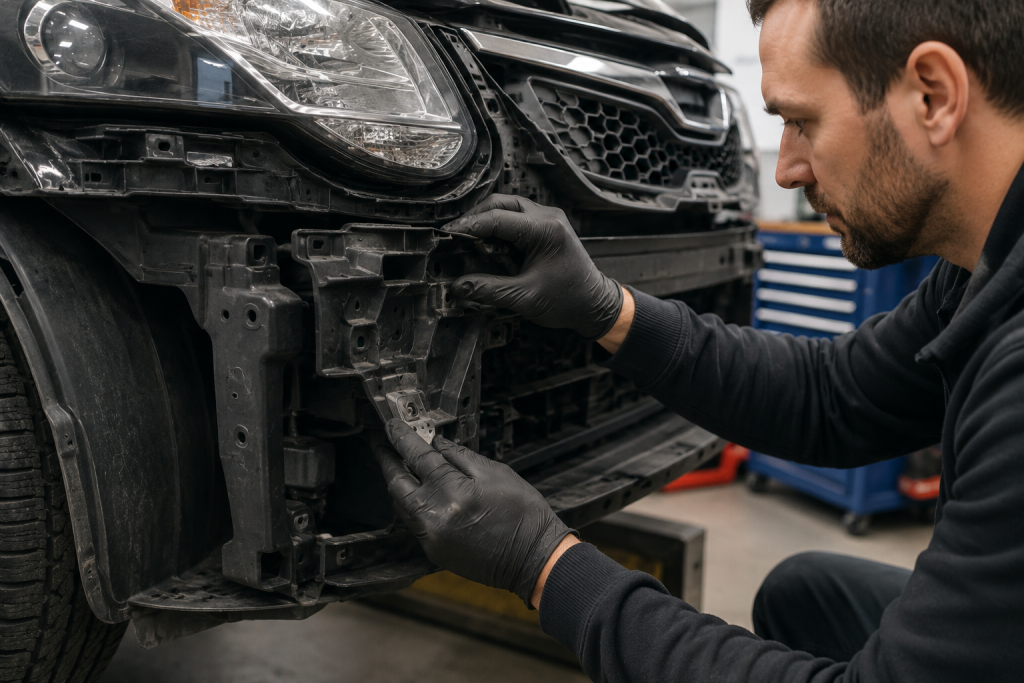
If your car has ever died on you in the middle of a Pittsburgh winter, you know exactly what kind of morning that turns into. The wind is cutting off the rivers, your battery just gave out, and now you’re stuck figuring out how to get your vehicle — and yourself — somewhere warm and safe. For decades, the traditional auto shop was the only option. Today, more and more Pittsburgh drivers are skipping the shop altogether and calling a mobile mechanic instead. Here’s why that shift makes sense in a city like this one.
The Problem With Traditional Auto Shops
Traditional shops still matter, especially for major repairs. But for everyday car trouble, the traditional model has some real friction points:
- You have to get the car there. If your vehicle won’t start or isn’t safe to drive, you’re stuck arranging a tow before it’s even been looked at.
- You lose your day. Dropping off a car often means waiting around, arranging a ride home, or burning a vacation day just to sit in a waiting room.
- Hidden wait times. Shops juggle dozens of cars at once. Your “quick inspection” can turn into a three-hour wait if they’re backed up.
- Upselling pressure. Because you’re physically present and captive, some shops use the opportunity to recommend extra services you didn’t ask for.
None of this makes traditional shops bad — it just means the model was built around the shop’s convenience, not necessarily yours.
What a Mobile Mechanic Actually Does
A mobile mechanic of Pittsburgh brings the shop to you. Instead of driving to a garage, a certified technician arrives at your home, office, or even the side of the road with the tools and parts needed to diagnose and fix your vehicle on the spot. This includes routine maintenance like oil changes, brake jobs, battery replacements, and diagnostics, as well as many mid-level repairs that would otherwise require a shop visit.
For Pittsburgh drivers specifically, this model solves problems that are unique to the region.
1. Winter Weather Makes Breakdowns Dangerous
Pittsburgh winters bring snow, ice, and temperatures that regularly dip well below freezing. A car that won’t start or stalls out on a hill in that kind of weather isn’t just inconvenient — it can be genuinely dangerous, especially for kids, elderly passengers, or anyone stuck waiting outside on an icy shoulder. Standing on the side of Route 28 or I-376 in a January wind chill while you wait for a tow truck is a real risk to your health.
A mobile mechanic eliminates that wait. Instead of towing your car across town and then waiting for a shop to get to it, a technician comes directly to your location, often within the same day. You and your passengers can wait somewhere warm while the repair happens outside — no tow truck, no waiting room, no extra exposure to the cold.
2. No Towing Costs
Towing in the Pittsburgh area isn’t cheap, and costs climb fast if your breakdown happens outside the city core — say, out toward Cranberry, Monroeville, or the South Hills. A basic tow can easily run $75–150, and that’s before the shop even looks at your car. Add in the fact that many neighborhoods sit on steep hills or narrow streets, and towing gets even more complicated — and expensive.
Mobile mechanics remove that cost entirely. Since the technician comes to you, there’s no towing bill stacked on top of the repair estimate. For anything short of a major engine or transmission overhaul, this alone can make mobile service significantly cheaper than the traditional route.
3. Your Time Is Worth Something
Between the rivers, bridges, and tunnels, getting across Pittsburgh isn’t always a straight line. Depending on where you live, driving to a shop, waiting for service, and driving back can eat up half a day — more if you need a rental car or rideshare in between. A mobile mechanic works around your schedule instead of the other way around.
Need an oil change while you’re at work? A technician can service your car in the office parking lot while you’re in meetings. Need a battery replaced before a Saturday morning trip out to the Laurel Highlands? A mobile mechanic can knock it out in your driveway before you’ve finished your coffee. You stay productive, and your car gets fixed in parallel with your day instead of putting it on hold.
4. Transparent, One-on-One Service
At a traditional shop, your car often disappears into a back bay and you don’t see what’s actually happening to it. With a mobile mechanic, the technician works on your vehicle right in front of you. You can ask questions in real time, see exactly what’s being replaced, and get a direct explanation of the problem instead of a printed estimate handed to you by a service advisor.
This transparency tends to build more trust between customer and mechanic — you’re not relying on a third party to relay information, and there’s less room for miscommunication about what your car actually needs.
5. Ideal for Fleet and Multi-Vehicle Households
Pittsburgh has a large number of small businesses that depend on fleet vehicles — contractors, delivery services, landscaping crews — where every hour a vehicle is off the road is money lost. Mobile mechanics can service an entire fleet at a single job site, drastically cutting downtime compared to rotating vehicles through a shop one at a time.
The same logic applies to households with multiple cars. Instead of making three separate shop trips for three family vehicles, a mobile mechanic can handle all of them in one visit to your home.
6. Perfect for Preventive Maintenance Through Harsh Winters
Pittsburgh’s climate is rough on vehicles. Road salt accelerates rust and corrosion, freezing temperatures strain batteries and fluids, and constant freeze-thaw cycles beat up suspension components on the region’s pothole-heavy roads. Regular preventive maintenance matters more here than in milder climates, and mobile mechanics make it easier to actually stay on top of it, since scheduling a routine check doesn’t require blocking off a chunk of your day.
Catching a weak battery or worn brake pads before winter hits can be the difference between a $150 fix and a $400 tow-and-repair emergency in the middle of a snowstorm.
When a Traditional Shop Still Makes Sense
To be fair, mobile mechanics aren’t a replacement for every type of repair. Major engine rebuilds, transmission replacements, frame work, and jobs requiring a lift or specialized shop equipment still need a traditional garage. A good mobile mechanic will tell you upfront if your issue is beyond what can be handled on-site and help you find the right next step.
For the vast majority of everyday car troubles — dead batteries, brake issues, oil changes, diagnostics, alternator and starter problems — a mobile mechanic offers a faster, safer, and often cheaper alternative to the traditional shop model, especially in a city where winter weather turns every breakdown into a bigger ordeal than it needs to be.
If you’re a Pittsburgh driver tired of towing costs, waiting rooms, and losing half your day to a repair shop, it might be time to see what a mobile mechanic can do for you instead. In a city built around hills, rivers, and cold winters, convenience isn’t a luxury — it’s practically a necessity.